



Does the Thermal Printer Print in Color?
The answer is: not always.
Most thermal printers only print in black and white, but some specialized models can print in color. The difference depends on the printing method, printer hardware, and compatible materials.
This guide explains whether thermal printers can print in color, and explain how thermal printers can print color, introducing practical ways to create colorful labels and stickers.
Can Thermal Printers Print Color?
The short answer is: Not exactly.
The portable thermal printer are mainly designed to print in monochrome (black and white), but some specialized models can produce two or more colors.
Here are quick answers to your question:
- Traditional Direct Thermal Printing: Usually produces black-and-white.
- Thermal Transfer Printing: Can produce different colors by using colored ribbons or pre-colored labels.
- Two-Color Thermal Printing: Supports two colors, typically black and red, with compatible printers and thermal paper.
- Thermal Sublimation Printing: Can produce more color, photo-quality prints, but they're not the same as standard thermal printers.
So, do thermal printers print in color? Now, I will explain the color capabilities of different types of thermal printers in detail.
Different Types of Thermal Printers and Color Printing
Thermal printing mainly includes direct thermal and thermal transfer technologies. Specialized versions can also support two-color or more advanced color output.
Traditional Direct Thermal Printer
A traditional direct thermal printer uses heat-sensitive paper to create text and images. Its print head heats specific areas of the paper, causing the coating to react and produce an image.
They are major black and white thermal printer. The printer does not use ink, toner, or ribbons.
Common applications include:
-
Shipping labels and tracking information
- Barcodes and product labels
- Receipts and price tags
- Inventory and identification labels

Thermal Transfer Printer
Thermal transfer printers use heat to transfer ink or pigment from a ribbon onto compatible labels or other materials.
The ribbon determines the printing color. Common ribbon types include wax, resin, and wax-resin, and colored ribbons are also available.
However, most thermal transfer printers generally uses one ribbon color per print pass. Producing multiple colors may require specialized equipment or additional printing processes.
Common applications include:
- Healthcare: Patient wristbands
- Food: Expiration dates
- Apparel: Clothing tags
- Electronics: Serial numbers
Two-Color Direct Thermal Printer
Two-color direct thermal printing uses specially coated thermal paper that reacts to different levels of heat. With a compatible printer and precise temperature control, different areas of the paper can develop different colors.
Common color combinations include black and red or black and blue.
This technology allows users to highlight important information without using traditional ink or ribbons.
Common applications include:
- Warning and safety labels
- Urgent shipping notices
- Medical alerts
- Highlighted information on receipts
Thermal Sublimation Printer
Thermal sublimation printing uses heat to turn solid dye into gas, allowing it to penetrate specially coated materials, such as sublimation paper, polyester fabrics, and polymer-coated surfaces, to produce vibrant prints.
Unlike most standard thermal printers, they can produce more colors.
Common applications include:
- Photo prints
- Custom fabric designs
- Personalized gifts
- Plastic ID cards
How to Add Color to Black-and-White Thermal Printing
You don't always need a specialized color thermal printer to create colorful-looking labels.
While standard thermal printers don't support full-color printing, there are plenty of creative solutions to explore!
Thermal Label Printers: Use Colored Pre-Printed Labels
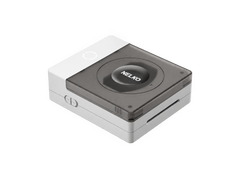
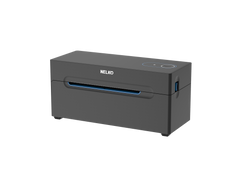
A standard monochrome thermal label printer, such as the NELKO P21, can print black text, barcodes, and graphics on compatible thermal label paper.
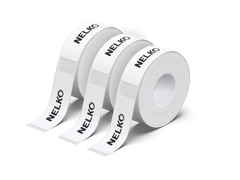
 This thermal label printer offers a variety of label papers in different colors, patterns, and styles. Its label materials also offer waterproof, oil-proof, and scratch-resistant properties.
This approach works well for home organization, product labeling, gift packaging, and shipping. It still delivers clear text and readable barcodes. Different and colorful label designs add visual appeal while keeping printing simple and cost-effective.
Portable Thermal Printers: Create Personalized Labels on the Go
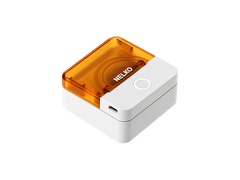
Most portable printers can not print in color. They typically produce black-and-white prints.
However, many support different colored thermal paper, allowing users to create colorful labels and stickers without printing colored text or graphics.
These compact, ink-free printers are lightweight and easy to carry. By using different colored thermal paper, you can create colorful labels and stickers on the go with ease
Thermal Sticker Printers: Choose Different Colored Sticker Paper
A thermal sticker printer, such as the NELKO PM270, uses direct thermal technology to print black text, graphics, and images on compatible sticker paper. It supports both continuous thermal paper and pre-cut gap labels, giving you more flexibility in sticker designs.
You can pair the printer with compatible colored thermal sticker paper to create stickers in different background colors and styles.
 With Bluetooth connectivity and 1,000+ app templates, you can easily create custom stickers for journaling, planners, crafts, gift packaging, and everyday organization.
Pros and Cons of Different Thermal Color Printers
Thermal printing offers different ways to create colorful labels. Here is what to consider before choosing one.
Most Thermal Printers in Black and White
Pros:
- Mature Technology: Standard direct thermal printing is well-established and offers reliable, consistent printing performance.
- Cost-Effective: No ink, toner, or ribbons are required. Colored thermal paper is an affordable way to create visually appealing labels.
- More Paper Choices: Different colors, patterns, and finishes offer greater design flexibility. Some label materials also provide waterproof, oil-resistant, and scratch-resistant properties.
- Fast and Convenient: Quick printing and easy paper replacement make this option suitable for everyday labeling.
Cons:
- Limited Print Colors: The printer still produces black text and graphics. Colored paper only changes the background color.
- Paper Compatibility: You need to choose label paper that matches your printer.
Specialized Color Thermal Printers
Pros:
- More Color Options: Certain technologies can produce two or more colors, while thermal sublimation can create vibrant, full-color prints.
- Greater Visual Detail: Specialized color printing can produce more colorful graphics and photo-quality images, depending on the technology.
Cons:
- Higher Costs: Specialized printers and compatible materials can require a larger initial investment and higher ongoing supply costs.
- Limited Availability: Color-capable thermal printing options are less widely available than standard monochrome thermal printers.
- Limited Use Cases: Some solutions are designed for specific applications, such as photo printing, rather than everyday label printing.
- Less Established Technology: Full-color thermal printing technologies still face technical challenges and are not yet widely available for everyday printing applications.
NOTE: using colored thermal paper with a standard monochrome printer is currently a practical choice for everyday labeling.
It combines mature technology, affordable supplies, and flexible designs without requiring specialized color-printing equipment.
How to Choose the Right Thermal Printer for Your Printing Needs
The best printer depends on the type of output you need.
For Everyday Black-and-White Printing
Choose a standard direct thermal printer if you mainly print shipping labels, barcodes, receipts, and basic product labels.
It is a practical option for fast, ink-free printing.
For More Visually Appealing Labels
Choose a thermal printer that supports your preferred colored or pre-printed label materials.
This works well for home organization, product packaging, and personalized stickers. Check the paper compatibility before purchasing.

For Highlighting Important Information
Consider a two-color thermal printer if you need two actual printing colors.
This is useful for warnings, alerts, and labels that require visual emphasis.
Final Answer: Does the Thermal Printer Print in Color?
Not exactly. Most thermal printers CANNOT print in color, They print in black and white. Some advanced technologies will explore multiple-color output in the furture.
You can make direct thermal prints more visually appealing by using colored or pre-printed thermal paper to create attractive labels.
So the answer can also be a resounding YES - with a little creativity and the right equipment! Whether you're designing attractive labels for your business, printing custom stickers, or trying out different thermal printing options, there are plenty of ways to add color to your prints.
FAQs
Can a Direct Thermal Printer Print in Color?
Most conventional direct thermal printers cannot print in multiple colors. They use heat-sensitive paper to produce monochrome output.
Does Thermal Printers Need Ink?
No. Direct thermal printers use heat-sensitive paper and do not require ink or toner. Thermal transfer printers use ribbons instead of traditional ink cartridges.
Can I Print Color on Black-and-White Thermal Printers?
Yes, you can use compatible colored thermal print papers to create colorful backgrounds.
Can Thermal Printers Print Photos in Color?
Standard thermal label printers cannot produce full-color photos. Thermal sublimation photo printers are different. They use heat to transfer dye and produce color photographs.
How Long Do Thermal Printers Last?
Printer lifespan depends on the model, print volume, maintenance, and print-head condition.
Also, distinguish printer lifespan from print durability. Direct thermal prints can fade with exposure to heat, light, and moisture. Thermal transfer prints generally last longer under suitable conditions.
What Is the Difference Between Thermal and Thermal Transfer Printing?
Direct thermal printing uses heat-sensitive paper to create images. Thermal transfer printing uses a heated ribbon to transfer material onto a compatible surface.
Direct thermal printing does not require a ribbon, while thermal transfer printing does.