



Creative Junk Journal Ideas: Themes, Pages, Covers
Junk journaling is a fun, beginner-friendly hobby that lets you express your creativity without worrying about perfection. The best part is that there are no rules. Just use what you have and enjoy creating!
So, here are 26 creative junk journal ideas to help you find inspiration and make your own journal.
What Is Junk Journaling?
Junk journaling is a creative way to make a handmade book using recycled paper, old photographs, tickets, envelopes, fabric scraps, and other collected materials.
Unlike traditional journals, junk journals do not follow a fixed layout. You can combine writing, drawing, photos, collages, and decorative elements on the same page.
Creative Junk Journal Ideas to Fill Your Pages
Not sure what to put in your junk journal? Here are some ideas for you to explore.
1. About Me Journal
Start with a page that tells your story. Add a favorite photo, your hobbies, favorite colors, and a few things you enjoy doing. You can also include magazine cutouts, handwritten notes, and meaningful quotes.
It is a fun way to introduce yourself and look back on your interests later.
2. Photo and Scrapbook Memory Journal
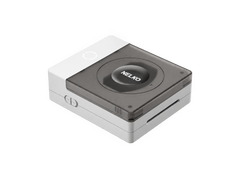
You can use Nelko Flow portable photo printer to print your memories. And paste them directly onto your journal pages.
Add small notes about what was happening when each photo was taken. This is a personal way to keep memories beyond your phone's camera roll.

3. Daily Life and Memory Journal
Save the little things that make an ordinary day special. Add coffee shop receipts, food wrappers, shopping tags, or photos from a weekend outing.
Write a few sentences about what happened and how you felt. Even a simple lunch with a friend can become a lovely memory.
4. Seasonal Journal
Create pages for different times of the year. Use spring flowers, summer vacation photos, autumn leaves, and winter holiday cards as inspiration.
You can also save seasonal packaging and greeting cards. Each section becomes a small record of that season.
5. Travel Memory Journal
Keep the small things you collect during a trip. Boarding passes, maps, postcards, restaurant receipts, and travel photos all make great additions.
Record the places you visited and what you enjoyed most. You can dedicate a few pages to each destination.

6. Gratitude Journal
Use a few pages to record the things you appreciate. These could be people, happy moments, or small everyday comforts. You can create a new gratitude page every week or month.
7. Recipe Collection Journal
Collect family recipes, handwritten cooking notes, ingredient labels, and food magazine cutouts. You can also save recipes passed down by family members. Over time, your journal becomes a personal cookbook.
8. Concert and Event Journal
Save concert tickets, wristbands, event schedules, and photos from your favorite shows. Write down the venue, date, and songs you enjoyed most.
You can also add a small playlist or a note about your favorite moment. It is a great way to remember concerts and festivals.

9. Dream and Vision Board Journal
Turn your future plans into a visual collection. Add magazine pictures, inspirational quotes, and handwritten goals.
You can create separate pages for travel, career plans, hobbies, and personal growth.
10. Hidden Notes and Letter Journal
Create a journal filled with small messages and personal notes. Use folded paper, tiny envelopes, and pockets to hide letters or reflections.
You could write a letter to your future self or save a message from someone special. Each page can hold a little surprise.
Junk Journal Page Design Ideas
Once you know what you want to record, it is time to think about the page design. You can use different paper arrangements, pockets, folds, and decorative details to make your journaling books more interesting. Here are some practical ideas to try.
1. Journaling Stickers with a Thermal Sticker Printer
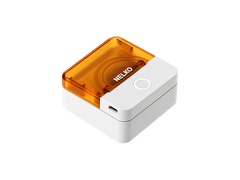
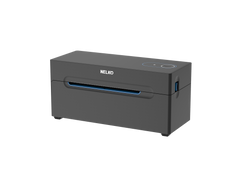
Use the NELKO PM270 as a mini printer sticker solution for creating personalized labels with names, dates, titles, and captions. Nelko's app also offers 1,000+ templates, making it easy to customize diverse stickers.
With ink-free printing and support for continuous and gap labels, it is a convenient tool for adding creative details to junk journal pages.

2. Creative Collage Pages
Combine old book pages, magazine cutouts, photographs, and patterned paper. Tear the edges instead of cutting every piece into perfect shapes.
Arrange the materials in layers to create different textures.
3. Belly Band Pages
Attach a strip of paper, cardstock, or fabric across your journal page. Leave enough room behind it to slide in small cards, tags, or notes.
You can decorate the band with washi tape or a printed label. It adds decoration while keeping loose items in place.
4. Envelope Pocket Pages
Reuse old envelopes or fold decorative paper into pockets. Attach them to your journal page and leave the opening accessible.
You can store photographs, tickets, handwritten notes, and small keepsakes inside. Decorate the outside with patterned paper and stickers for journaling.

5. Tuck Spot Pages
Use playing cards, book pages, or decorative paper to create small tuck spots. Attach only one or two edges so that tags and photos can slide underneath.
Make several spots in different sizes to hold small keepsakes. This is a simple way to add interactive details.
6. Flip-Out and Fold-Out Pages
Attach an extra piece of paper to the edge of a page with washi tape or another paper hinge. It can fold out to reveal more writing space, photos, or decorative details.
Use different patterns on each side to make the design more interesting.
7. Vintage Tea-Stained Pages
Give plain paper an aged look with tea or coffee staining. Let the paper dry completely before adding handwritten notes, stamps, or illustrations.
Brown and cream tones work well with vintage photographs and old book pages. Always test the staining method on a spare piece of paper first.
8. Layered Washi Tape Pages
Arrange washi tape in stripes, grids, borders, or overlapping patterns. Mix different widths and colors to create a layered background. You can also use washi tape to attach photographs or secure folded paper. Add a small caption to complete the page.

9. Torn Paper and Layered Backgrounds
Tear different types of paper into irregular shapes and overlap them across a page. Mix plain paper, book pages, and patterned scraps to create texture.
Leave some open space for writing or a main photograph. A few decorative details can bring the whole design together.
10. Pressed Flower and Botanical Collage
Arrange dried flowers or leaves between layers of paper. Add botanical illustrations, nature photographs, and small handwritten notes. You can also use labels to record plant names or collection dates. If you use real pressed flowers, make sure they are completely dry before adding them.
Junk Journal Cover Ideas
The cover is the first thing people see when they open your journal. It can reflect the memories inside or introduce the style you want to create.
1. Vintage and Antique Covers
Use aged book pages, old photographs, lace, and muted colors to create a nostalgic cover. Layer different paper textures and add a vintage-style title. A little brown ink along the edges can help create an aged appearance.

2. Fabric and Lace Covers
Cover a piece of cardboard with fabric, lace, or textured material. Add ribbons, buttons, or small fabric pieces to create a handmade look. You can mix several fabrics or keep the design simple with one main texture.
3. Nature-Inspired Covers
Choose botanical paper, pressed flowers, leaf illustrations, and earthy colors. Arrange the elements around a simple title or label. This style works especially well for journals about gardening, nature, or outdoor memories.
4. Travel-Themed Covers
Decorate the cover with maps, postcards, destination names, and travel photographs. Add a small ticket or luggage-style label to complete the look. You can also write the name of a favorite destination on the front.
5. Handmade Collage Covers
Combine paper scraps, old book pages, decorative cardstock, and fabric. Arrange them in overlapping layers to create a unique composition. Choose one main photograph or illustration as the focal point so the cover does not look too crowded.

6. Minimalist and Personalized Covers
Use a simple color palette and a few carefully chosen details. Add your name, a date, or a short title to personalize the cover. Custom printed stickers can help create a clean and coordinated design.
Essential Junk Journal Supplies
You do not need to buy a large collection of products before starting. Many useful junk journal supplies may already be in your home.
Paper and Recycled Materials
Paper is the foundation of most junk journals. You can collect:
- Old book pages and newspaper
- Scrapbook paper and cardstock
- Envelopes and paper bags
- Magazine pages and postcards
- Receipts, tickets, and packaging
- Old photographs and greeting cards
These junk journal materials can become backgrounds, pockets, tags, and decorative layers. Different paper textures also help make each page unique.
Adhesives and Basic Tools
A few basic tools are enough for most beginner projects.
- Glue sticks and liquid glue: Attach paper, photos, and decorative pieces.
- Double-sided tape: Secure small items without visible glue marks.
- Scissors and paper trimmers: Cut paper and create clean edges.
- Hole punches: Make holes for tags, ribbons, and binding.
Start with the tools you already own. You can add more specialized supplies when you need them.
Decorative Materials
Decorative materials help add color and texture to your pages. Consider keeping these items in your craft collection:
- Washi tape
- Journaling stickers
- Decorative paper
- Ribbons and lace
- Stamps
- Dried flowers and leaves
- Paper tags and labels
You can use stickers for journaling to mark dates, decorate borders, or highlight important words. Mix them with recycled paper and handmade details to create a balanced design.
Pens, Markers, and Coloring Tools
Writing and coloring tools help you add personal details.
- Fine-tip pens: Write notes and small captions.
- Gel pens or Colored pencils: Add colorful handwriting and decorative lines.
- Watercolor paints: Create simple backgrounds and color washes.
- Highlighters: Mark important dates, words, and notes.
You do not need every type of pen. Choose a few that work well with your paper and personal style.
How to Make a Junk Journal from Scratch
As an avid junk journaling enthusiast with years of experience, I know how fun and creative this hobby can be.
If you are a beginner, don't worry! I'll walk you through the process and help you feel comfortable creating your first junk journal. Here comes some tips:
- Choose a Size and Theme: Pick a journal size and a theme, such as vintage, travel, or nature.
- Gather Materials: Collect unused newspapers, magazines, old envelopes, paper bags, and other recyclable paper materials from around your home.
- Arrange the Pages: Mix different paper sizes and textures. Add pockets and folded inserts.
- Make the Cover: Use cardboard, fabric, or decorative paper.
- Bind the Journal: Secure the pages with string, staples, or simple stitching.
- Decorate the Pages: Add photos, handwritten notes, washi tape, and journaling stickers.
- Add Keepsakes: Include tickets, receipts, postcards, and other meaningful items.
Conclusion
The best junk journal is one that reflects your interests and creativity. Start with simple materials, collect things that mean something to you, and experiment with different page designs. Whether you enjoy vintage collages, travel memories, or personalized stickers, there are plenty of junk journal ideas to explore. Have fun creating a journal that is completely your own.
FAQs
What Do I Need to Start a Junk Journal?
You only need a notebook, paper scraps, glue or tape, and scissors to get started. Old magazines, receipts, envelopes, and packaging can also become useful materials. You can add stickers, washi tape, and other decorations later.
Can You Use Stickers in a Junk Journal?
Yes! Journaling stickers are useful for decorating borders, highlighting dates, adding titles, and filling empty spaces. You can also print personalized stickers with a thermal sticker printer to add custom names, captions, and other details.
Do I Need to Sew a Junk Journal?
No. Sewing is not required to make a junk journal. You can use staples, string, or other simple binding methods to hold the pages together. For paper-based journals, glue and basic binding techniques are often enough.