



What Is a Thermal Printer and How It Works
A thermal printer uses heat to print text, images, or labels without traditional ink cartridges. A thermal label printer is a common example, used for shipping labels, barcodes, and product labels. Learn how thermal printers work, their main types, and their pros and cons.
What is a Thermal Printer?
A thermal printer is a type of printer that uses heat to produce text and images. Unlike traditional printers that use ink or toner, depending on the printing method, the heated printhead either activates a special coating on heat-sensitive paper or transfers ink from a ribbon onto the printing material.
How Does a Thermal Printer Work?
When a user sends a printing command from a computer, smartphone, or label printing software, the label printer receives the digital information and converts it into heat patterns.
Regarding the internal working mechanism of the printer, a thermal printer works through some core components. When a printing command is sent, the controller board processes the information and controls the printer's operations.
The printhead then applies heat to create the required text, images, or barcodes, while the platen roller moves the label material through the printer. At the same time, sensors detect the position of the paper to ensure accurate alignment and smooth printing.
These printers mainly use two printing methods: direct thermal printing and thermal transfer printing.

Direct Thermal Printing
Direct thermal printing uses heat-sensitive labels with a special thermochromic coating. When the thermal print head heats specific areas of the label, the coating reacts and turns dark to create the printed image. This method does not require ink, toner, or ribbons, making it simple and cost-effective. A direct thermal printer is ideal when fast results are needed. It's useful for businesses that need quick and efficient printing, such as producing barcodes in bulk for mass production.
Thermal Transfer Printing
Thermal transfer printing uses heat to transfer ink from a ribbon onto a label, creating clear, durable prints. When paired with suitable label materials, it offers strong resistance to heat, moisture, and wear, making it ideal for inventory, product, and industrial labels.
Thermal transfer ribbons come in three types: wax, wax-resin, and resin. Wax ribbons suit general labeling, while wax-resin and resin ribbons provide greater resistance to chemicals, oils, and sunlight.
What Are Thermal Printers Used For?
Home and Office Organization: Keep storage bins, kitchen jars, cables, and office supplies neatly labeled with a thermal label printer. Create custom labels right from your phone to make everyday items easier to find and keep your space organized.
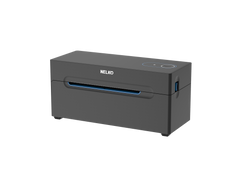
Shipping Labels: Use a bluetooth thermal shipping label printer like Nelko's PL70E printer to print addresses, tracking information, and barcodes for packages. It is useful for shipping, receiving, and order fulfillment.
 Product Labels: You can print product names, prices, and identification details for retail products. These labels make products easier to identify and manage.
Receipts and Tickets: A thermal printer can also print receipts, event tickets, wristbands, and ID badges. They are widely used in retail, hospitality, and healthcare.
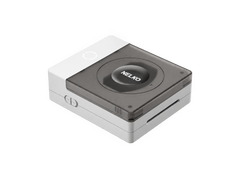
DIY Projects: A thermal sticker printer is a great choice. Use the Nelko PM230 to print custom stickers for crafts, scrapbooking, and other creative projects.
Barcodes and QR Codes: A barcode generator creates clear, scannable barcodes for product tracking and inventory management. For example, you can use the Nelko PM220 printer to easily print garment barcode labels for your business.

Key Benefits of a Thermal Printer
Thermal printers offer several benefits for businesses and everyday printing needs.
- Cost-Effective Printing: Direct thermal printers do not require ink cartridges or toner. They also avoid common ink-related issues, such as dried ink and clogged printheads.
- Fast and Efficient Printing: Thermal printers can produce text, labels, and barcodes quickly, making them useful for busy retail, shipping, and warehouse environments.
- Convenient and Compact Designs: Many thermal printers are lightweight and portable, allowing users to print in different locations. Compact models are especially useful for mobile labeling tasks.
- Easy Operation and Maintenance: Thermal printers generally require less ink-related maintenance than traditional inkjet printers, making them convenient for regular use.
Thermal printers support a range of printing needs, from shipping labels and receipts to everyday organization. The right model depends on what you need to print and how you plan to use it.
How to Choose a Thermal Printer?
Choosing the right thermal printer depends on what you print, how often you print, and where you use it. Consider the printing method, label size, connectivity, and print volume to find a model that fits your needs.
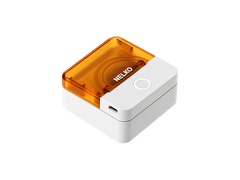
If you need a portable printer for everyday labeling, the Nelko P21 Bluetooth label printer is a convenient option. It connects to compatible phones via Bluetooth and is ideal for organizing home supplies, office items, and other small belongings.
Conclusion
A thermal printer offers a practical combination of speed, efficiency, and convenience. It can be a game changer for your business or daily use. If you need a reliable machine for printing receipts, labels, signs, and barcodes, a thermal printer can be a practical choice.
FAQs:
Do thermal printers require ink?
No. Direct thermal printers use heat-sensitive labels without ink or toner. Thermal transfer printers use a ribbon to transfer the printed image onto the label.
Can thermal label printers print barcodes and QR codes?
Yes. Many thermal label printers can print clear barcodes and QR codes for product labeling, inventory management, shipping, and tracking.
Are thermal labels waterproof?
It depends on the printing method and label material. Thermal transfer labels can offer better resistance to water and moisture, while direct thermal labels require suitable materials for waterproof applications.
What is the difference between desktop and industrial thermal label printers?
Desktop thermal printers, like Nelko, are compact and suitable for low- to medium-volume printing. Industrial thermal printers are designed for higher print volumes and demanding work environments.
What is the difference between direct thermal and thermal transfer printing?
Direct thermal printing creates images directly on heat-sensitive labels. Thermal transfer printing uses a heated ribbon to produce more durable and longer-lasting labels.